When navigating the dynamic world of escort directories in Amsterdam, finding a platform that truly aligns with your needs can often feel like a complex puzzle. Two prominent names frequently emerge in discussions: Sexguide.nl and hoeren.xxx. We understand the dilemma of choosing between seemingly strong contenders, and that’s precisely why we’re here to offer a seasoned perspective, dissecting the offerings of each to help you make an informed decision. Our goal is to empower you with direct, comparative insights, ensuring you select the directory that genuinely suits your preferences.
Sexguide.nl vs hoeren.xxx: The Ultimate Escort Directory Comparison
First Contender: Sexguide.nl
Originating with a clear focus on the Netherlands, Sexguide.nl has established itself as a reliable directory for those seeking a diverse range of companionship. Beyond the typical independent escorts and agencies, the platform also features categories such as pornstars, dominatrix, shemales, and brothels. With approximately 600 Dutch escorts listed, it offers a respectable selection for users. Our initial review found the site to possess an excellent user interface, characterized by modest colors and subtle blue accents, contributing to a pleasant browsing experience.
Second Contender: hoeren.xxx
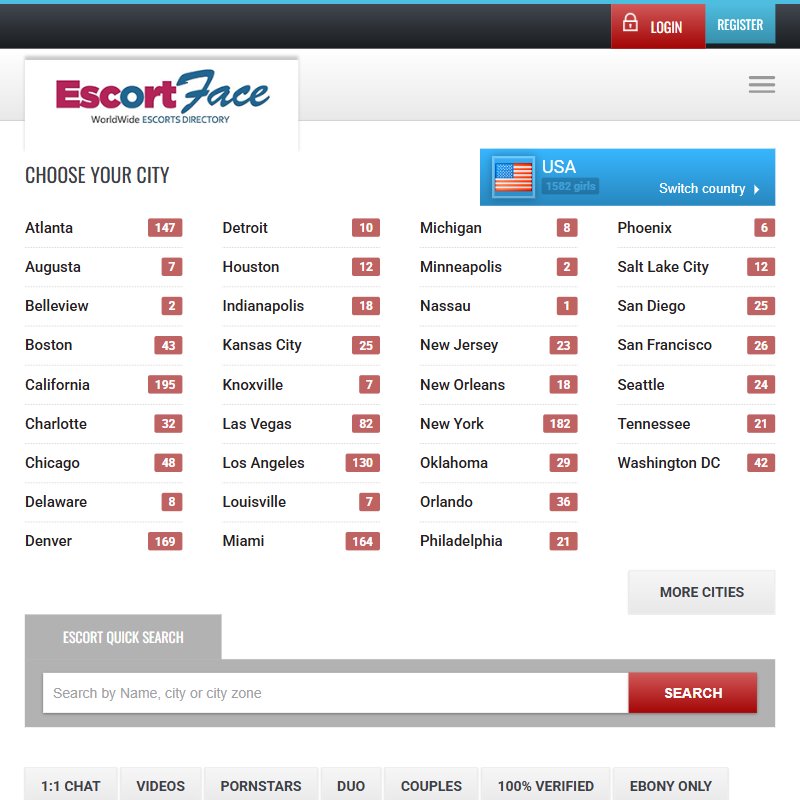
hoeren.xxx positions itself as a global directory, though our review indicates a less robust presence in the Netherlands with under 100 listings. This platform primarily caters to independent escorts and agencies. While it offers a basic directory functionality, its design and usability are notably dated, presenting a less intuitive and visually appealing experience compared to more modern alternatives. The site’s primary focus appears to be on providing a listing service without the advanced features or refined aesthetic that many users have come to expect.

Platform Design and User Experience Comparison
Sexguide.nl presents an excellent design with modest colors and blue accents, providing a sleek and easy-to-navigate interface. The platform is responsive, offering a smooth user journey from browsing to contacting. Its overall aesthetic feels modern and intuitively designed for both clients and providers.
In contrast, hoeren.xxx features a somewhat outdated design that can feel cluttered and less intuitive. The navigation is not as fluid, and the visual appeal pales in comparison to contemporary directory standards. This can lead to a less seamless and potentially confusing experience for users.
Comparing the two, Sexguide.nl clearly offers a cleaner, more modern interface and a significantly smoother user journey. The performance and speed of Sexguide.nl are commendable, with quick loading times and a responsive platform, whereas hoeren.xxx can feel slower and less optimized.
Escort Listing Variety and Discoverability
Sexguide.nl provides a good array of escort categories, including independent escorts, agencies, pornstars, dominatrix, shemales, and brothels. The ease of finding specific types of escorts is enhanced by its well-structured system, and it boasts around 600 Dutch escorts.
hoeren.xxx primarily lists independent escorts and agencies, with a significantly smaller number of profiles, under 100 Dutch escorts, which limits the variety. Discoverability is hampered by its less refined categorization system and fewer filtering options.
Sexguide.nl offers a more comprehensive and diverse selection of escorts across the Netherlands. For providers, Sexguide.nl’s robust platform and user engagement features likely offer better visibility compared to hoeren.xxx, which appears to provide a more basic listing service.
Search and Filtering Capabilities
Sexguide.nl includes a range of useful features, such as dark mode, and interactive profiles with reviews, videos, and comments, which enhance the search experience. While specific detailed filters aren’t highlighted, the overall functionality contributes to effective searching.
hoeren.xxx offers rather basic search parameters. The effectiveness and accuracy of its search results are limited by the overall simplicity of its filtering options, which may not cater to users seeking highly specific criteria.
Sexguide.nl provides a more user-friendly experience due to its interactive features and general ease of use, making it simpler for clients to find what they are looking for. hoeren.xxx’s lack of advanced filtering means users might spend more time sifting through irrelevant profiles.
Escort Profile Depth and Quality
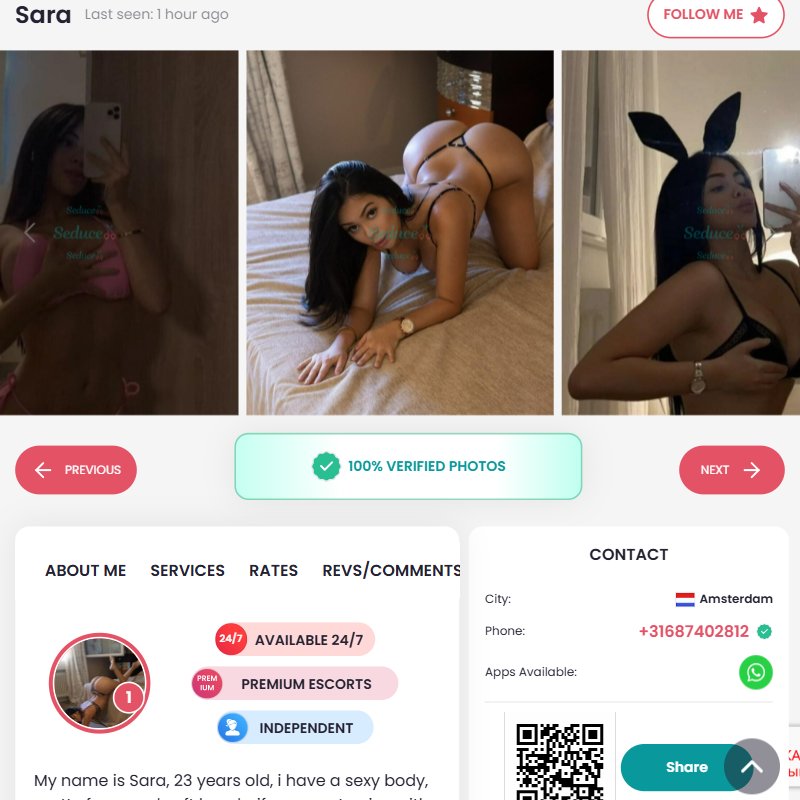
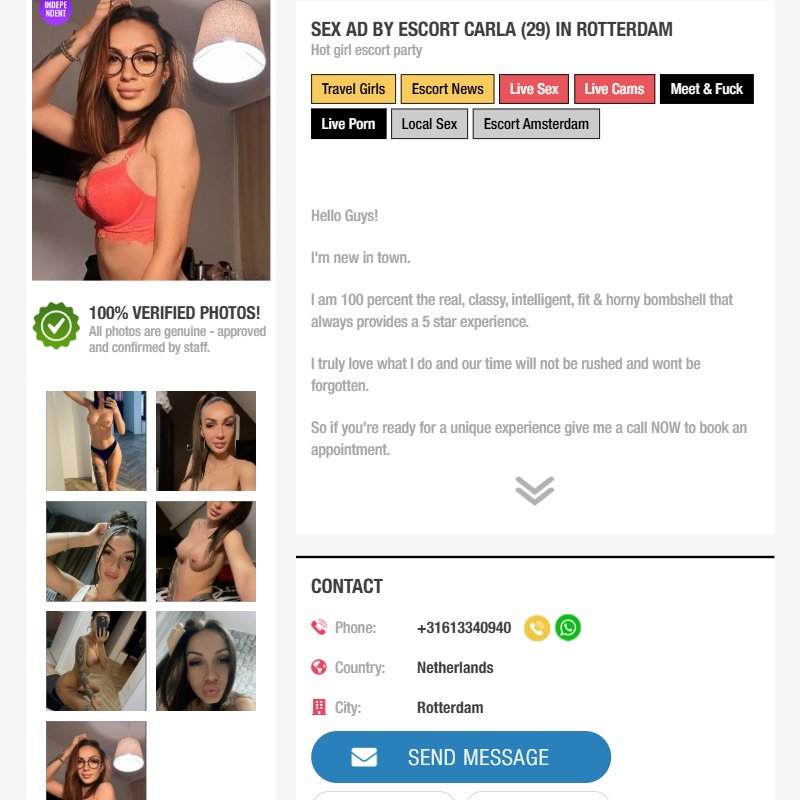
On Sexguide.nl, escort profiles are quite informative, typically including general escort details like location and body characteristics, services offered, rates, working hours, comprehensive contact information, and the ability for reviews and comments. The platform encourages interactive profiles with photos, videos, and live chat.
hoeren.xxx profiles offer basic information such as contact details, photos, and a description. However, the overall depth and quality are less comprehensive, with fewer interactive elements or detailed sections compared to Sexguide.nl.
Sexguide.nl clearly encourages and facilitates more comprehensive and engaging profiles, providing clients with a richer understanding of the escorts. The platform also features a strict manual moderation process for every profile, which suggests a commitment to authenticity and quality.
Communication and Booking Processes
Sexguide.nl offers a live chat feature directly on escort profiles, allowing for instant communication. The platform also supports reviews and comments, fostering a feedback system for providers. Booking arrangements are typically initiated through direct contact facilitated by the profile information.
hoeren.xxx provides direct contact information on profiles. However, it lacks an integrated live chat feature, and any review or rating system is not prominently detailed, making direct communication and feedback less streamlined.
Sexguide.nl stands out for its integrated live chat, offering a more efficient and immediate communication channel. Its interactive profile features likely contribute to a more transparent booking process through client feedback. hoeren.xxx’s more basic approach may require clients to rely solely on external communication methods.
Membership Tiers, Costs, and Value Proposition
For seekers, Sexguide.nl is entirely free, requiring no registration to browse profiles. Escorts can also register for free, with an option to pay for advertising if they wish to enhance their visibility. This model provides excellent value, particularly for those new to the scene.
Similarly, hoeren.xxx is free for seekers to browse and for escorts to register, with optional paid advertising. While the cost structure is comparable, the value proposition is diminished by the platform’s more limited features and outdated interface.
Both directories offer a free model for browsing and basic escort registration. However, Sexguide.nl provides greater tangible value for its cost due to its superior user experience, interactive features, and larger, more diverse selection of profiles.
Safety, Privacy, and Customer Support
Sexguide.nl implements strict profile moderation, with every profile being manually reviewed, indicating a strong commitment to safety and authenticity. While specific data privacy policies or detailed reporting mechanisms are not extensively highlighted, the rigorous moderation process suggests a proactive approach to maintaining a legitimate environment.
hoeren.xxx also states that all profiles are manually moderated, aiming to prevent fraudulent content. However, specific details regarding safety protocols, data privacy, or customer support availability are not explicitly provided, which might raise questions for users concerned about comprehensive protection.
Sexguide.nl’s emphasis on strict moderation creates a sense of confidence in its listings. While both platforms claim manual moderation, the overall presentation and established features of Sexguide.nl suggest a more robust environment, which typically correlates with better user support and safety measures.
Which Directory Suits You Best?
Sexguide.nl impresses with its neat design, excellent user experience, strict profile moderation, and a nice selection of escorts. Its interactive profile pages, including live chat and dark mode, are significant advantages. We found no notable cons for this directory.
hoeren.xxx, while offering free access and manual moderation, falls short with its outdated design, limited number of profiles, and less comprehensive features. Its overall user experience is less refined, and the lack of advanced interactive tools can be a drawback.
For those seeking a comprehensive, user-friendly, and interactive experience with a good selection of escorts in the Netherlands, Sexguide.nl emerges as the superior choice. Its modern interface and detailed profiles make it ideal for clients who value a smooth and engaging browsing journey. Conversely, hoeren.xxx might appeal to users looking for a very basic listing service, though its limitations are apparent. The key differentiating factors lie in design, feature richness, and the overall quality of the user experience.